












In road construction across the world, the performance of your asphalt mixing plant decides how fast projects move, how consistent the mix quality is, and how long the final road will last. One of the biggest challenges for plant operators is keeping the discharge temperature stable.
Unstable discharge temperature can cause serious paving problems and lead to material waste. This guide explains the three main causes of temperature fluctuations — bitumen heating issues, aggregate heating variations, and sudden moisture in the cold feed — and gives clear, practical solutions to help you maintain steady production and protect your profits.
CONTENTS
What is Asphalt Concrete Discharge Temperature?
Asphalt concrete discharge temperature is the temperature of the hot mix asphalt (HMA) when it leaves the mixing system and goes into the truck.
To produce good quality asphalt, you must follow the mix design specifications, such as AASHTO M 323. According to the National Asphalt Pavement Association (NAPA), both the hot aggregates from the dryer drum and the liquid bitumen should stay within the correct temperature range — usually 150°C to 170°C (300°F to 340°F) for standard mixes.
Even small changes outside this range can cause problems on the road such as rutting, stripping, or moisture damage. That is why plant operators must carefully control the materials and settings that affect the final mix temperature.
Causes of Unstable Asphalt Discharge Temperature
Thermal instability during production does not happen by chance or in isolation. In most asphalt batching and continuous plant setups, final temperature drops and spikes are triggered by three primary root causes across the plant's heating and feeding systems:
Cause 1: Inaccurate Bitumen Heating Control
Liquid bitumen is very sensitive to temperature. If the heating system is not accurate or responds slowly, it directly affects the binder:
- Overheating: If the bitumen heating temperature is too high, the binder undergoes rapid oxidative aging and scorches, which severely reduces its long-term binding capacity.
- Underheating: If the bitumen heating temperature drops too low, the liquid viscosity rises, resulting in poor aggregate adhesion, a patchy mix, and severe compaction problems during paving.
Cause 2: Fluctuating Aggregate Heating Temperature
Aggregates make up more than 90% of the mix, so their temperature has the biggest effect on the final discharge temperature. Common reasons for fluctuation include wrong burner settings, poor fuel-air mixture, or sudden changes in aggregate moisture.
Cause 3: Unstable Cold Feed and Aggregate Moisture
After heavy rain, if stockpiles are not covered, the aggregates absorb a lot of water. Wet aggregates need much more heat to dry, which overloads the dryer burner. This often causes a sudden drop in the final discharge temperature.
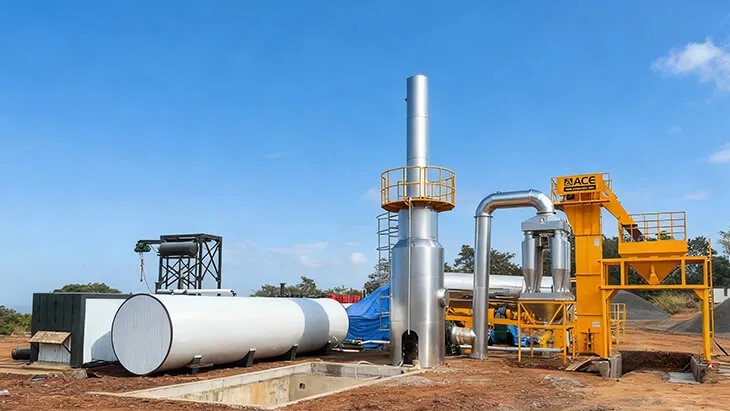
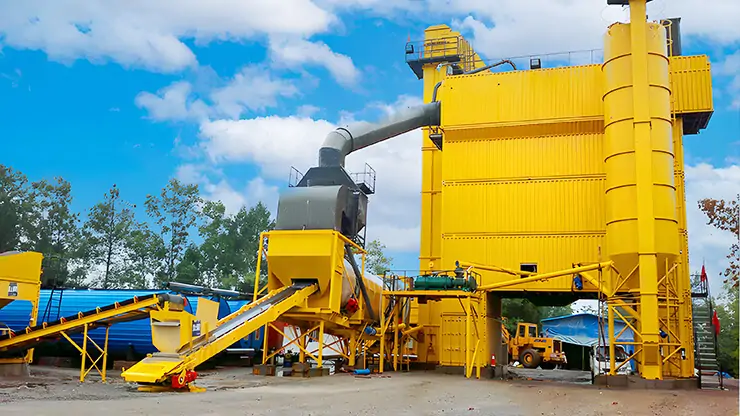
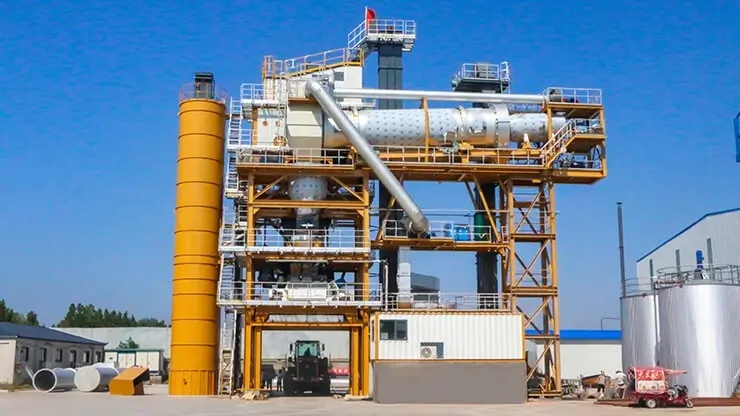
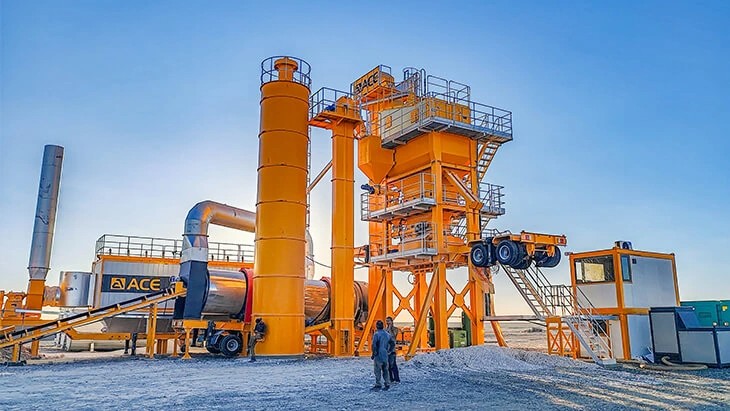
Model: DAP40 ~ DAP240
Capacity: 40t/h ~ 240t/h
Total Power: 75kW ~ 420kW
Highlights: Continuous asphalt plant,drum mix;compact structure, easy relocation; Lower initial investment, cost effective, shorter payback period.
Quick Reference Table: Asphalt Temperature Failures & Root Causes
To help plant supervisors and operators quickly identify and troubleshoot core thermal issues, the following table provides a quick-reference guide linking primary quality failure modes to their technical root causes:
| Thermal Quality Problem | Main Root Cause | Effect on Final Pavement |
|---|---|---|
| Bitumen Scorching / Binder Aging | Bitumen heating too high or poor temperature control | Brittle pavement, faster aging |
| Patchy Mix / Poor Coating | Bitumen heating too low | Weak adhesion, poor compaction |
| Unstable Aggregate Temperature | Wrong burner setting or unstable fuel supply | Inconsistent batch temperatures |
| Sudden Temperature Drop (after rain) | High moisture in uncovered stockpiles | Overloaded dryer, lower final temperature |
Model: MAP60 ~ MAP160
Capacity: 60t/h ~ 160t/h
Mixer Capacity: 700 kg/batch ~ 2000 kg/batch
Highlights: Mobile plant,easy for transportation and installation, fast relocation; Modular structure,batch mixing, precise batching, accurate weighing.
Engineering Solutions for Stabilizing Mix Temperature
Overcoming asphalt production temperature fluctuations requires a systematic framework rather than temporary, manual adjustments. Plant managers can successfully achieve absolute consistency by implementing a continuous operational strategy based on three practical engineering keywords: Monitor, Regulate, and Alert.
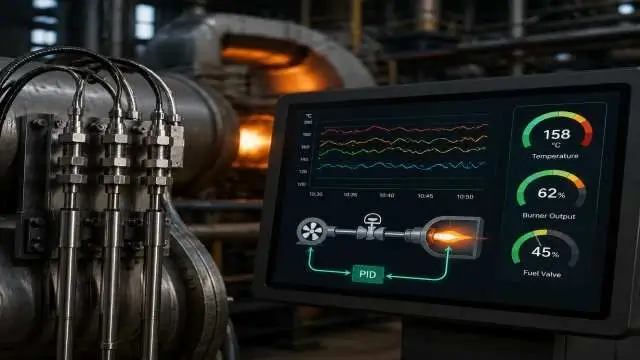
Strategy 1: Improve Real-Time Temperature Monitoring (Monitor)
Good data is the foundation of quality control.
- Clean thermocouples regularly to remove dust, filler, and bitumen residue.
- Calibrate all temperature sensors (thermocouples and infrared) periodically using certified reference tools.
Strategy 2: Optimize Burner Control (Regulate)
Stop depending only on manual adjustments. Use modern automation so the burner automatically adjusts flame strength based on cold feed rate and real-time aggregate moisture content.
Strategy 3: Set Up Early Warning System (Alert)
Prevent problems before they reach the mixer. Install a system that monitors cold feed moisture and feeder belt speed in real time. This gives operators or the automatic system time to react. Also, always cover aggregate stockpiles or store them on well-drained concrete floors with proper slope to keep moisture low and stable.
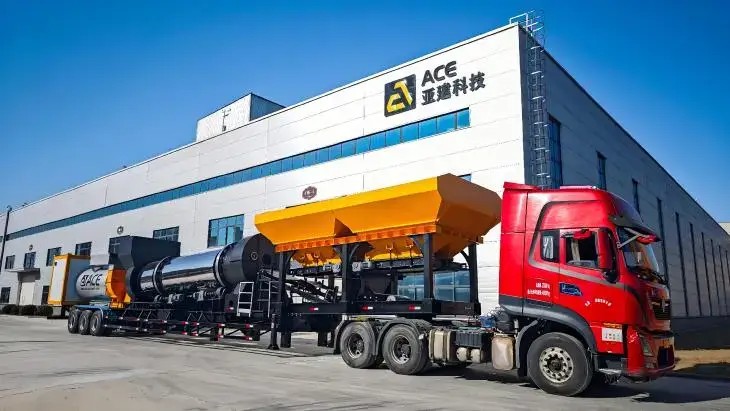
Model: IAP40 ~ IAP120
Capacity: 40t/h ~ 120t/h
Drying & Mixing Drum: Φ1200*5000mm ~ Φ1800*8000mm
Highlights: One or two-in-one mobility, quick transfer; reassemble within hours; zero foundation required, water film & cyclone dust filtration techniques
Summary Video: 1.5-Minute Operator Guide
Prefer a short spoken explanation? Watch the 1.5-minute summary video below. It covers the main causes of unstable discharge temperature, how to manage aggregate moisture, and the important maintenance steps.
Conclusion
In road construction, stable asphalt discharge temperature means stable mix quality. By controlling bitumen heating, managing aggregate moisture at the stockpile, and using good monitoring and automation, you can reduce waste, save fuel costs, and consistently meet project specifications.
Only when the temperature is stable can the asphalt quality, compaction, and long-term road performance be stable. With reliable material supply, precise heating control, and fast system response, your plant will produce high-quality hot mix asphalt every day with fewer problems and better output.